Stargazing Near Salt Lake City: Where Desert Meets Sky
If you’re looking for the best dark skies within an hour’s drive of Salt Lake City, The Knolls Recreation Area might be it.
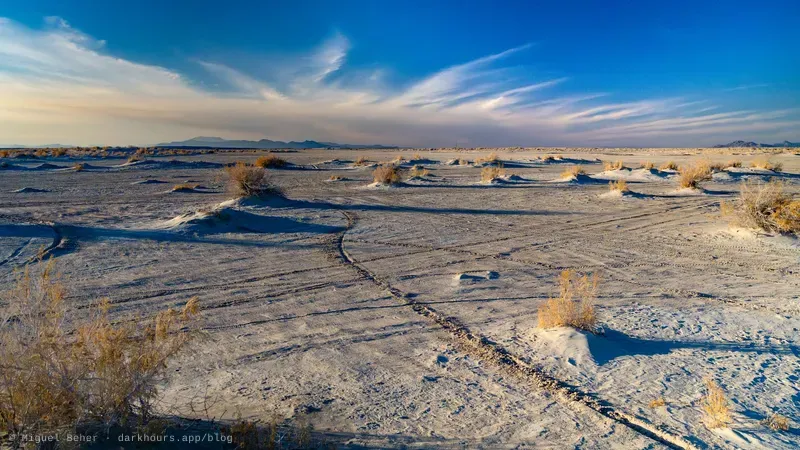
In the Great Salt Lake Desert sits a 36,000-acre plot managed by the Bureau of Land Management. It’s officially named the Knolls Off-Highway Vehicle Special Recreation Management Area, but most people refer to it as The Knolls. It’s located about halfway along the 100-mile uninhabited stretch between Salt Lake City and the Bonneville Salt Flats. To get there, take I-80 west about 80 miles to the Knolls exit; the area is a couple of miles down the old highway on the south side of the interstate. It’s mainly an off-roading area, but dispersed camping is allowed. The vast stretches of white sands, massive dunes, and mountains are visually striking. The flat desert openness and remote location make it feel like you’ve left civilization behind.
Planning the Trip
While planning a trip to Utah in February 2026, a Reddit comment put The Knolls on my radar, and this YouTube video sealed the deal. We arrived about two hours before sunset to explore, pick a spot, and set up.
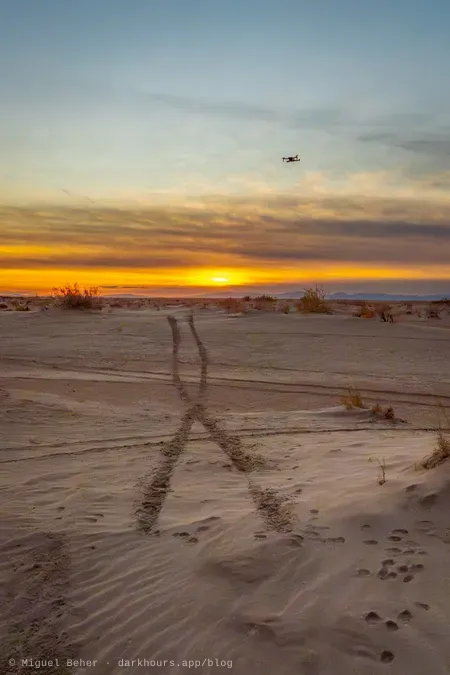
My wife and I easily found a quiet corner to stargaze, away from other groups. As darkness set in, we watched the daytime off-roaders steadily file out, leaving us with miles of space between us and our nearest neighbors.
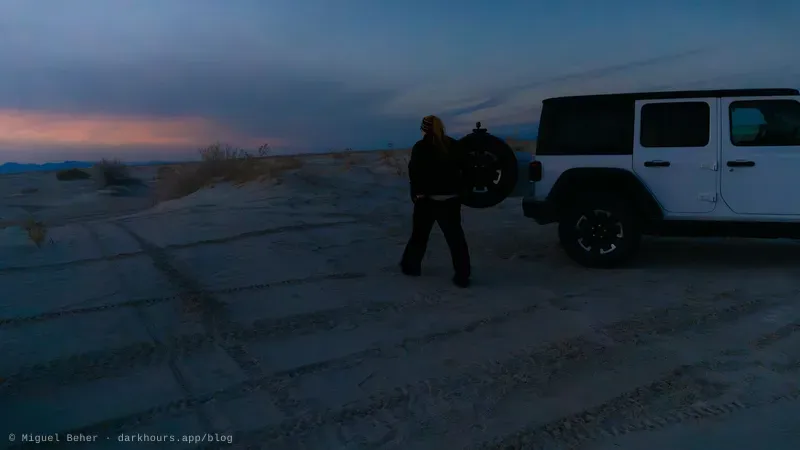
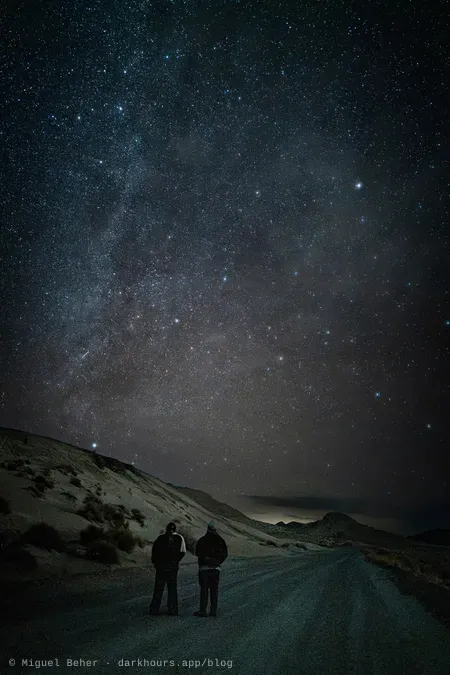
With the gear ready, we waited out twilight in the rental Jeep with the heater on and had dinner. About 15 minutes before full darkness, we got out to let our eyes adjust. Even then, the stars were brighter than I’d seen in a long time.
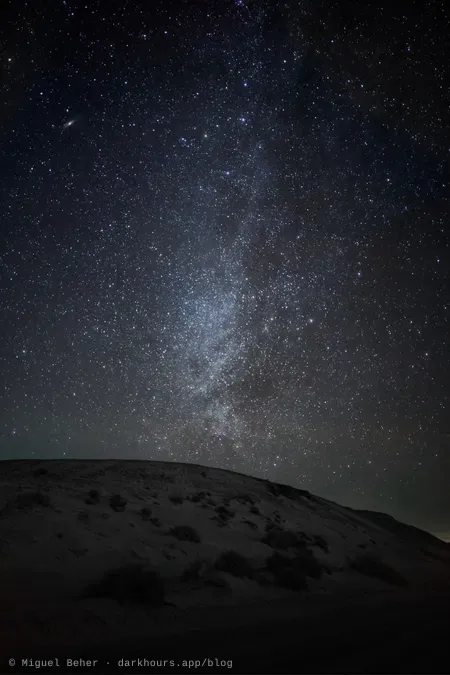
Bortle 1 Skies
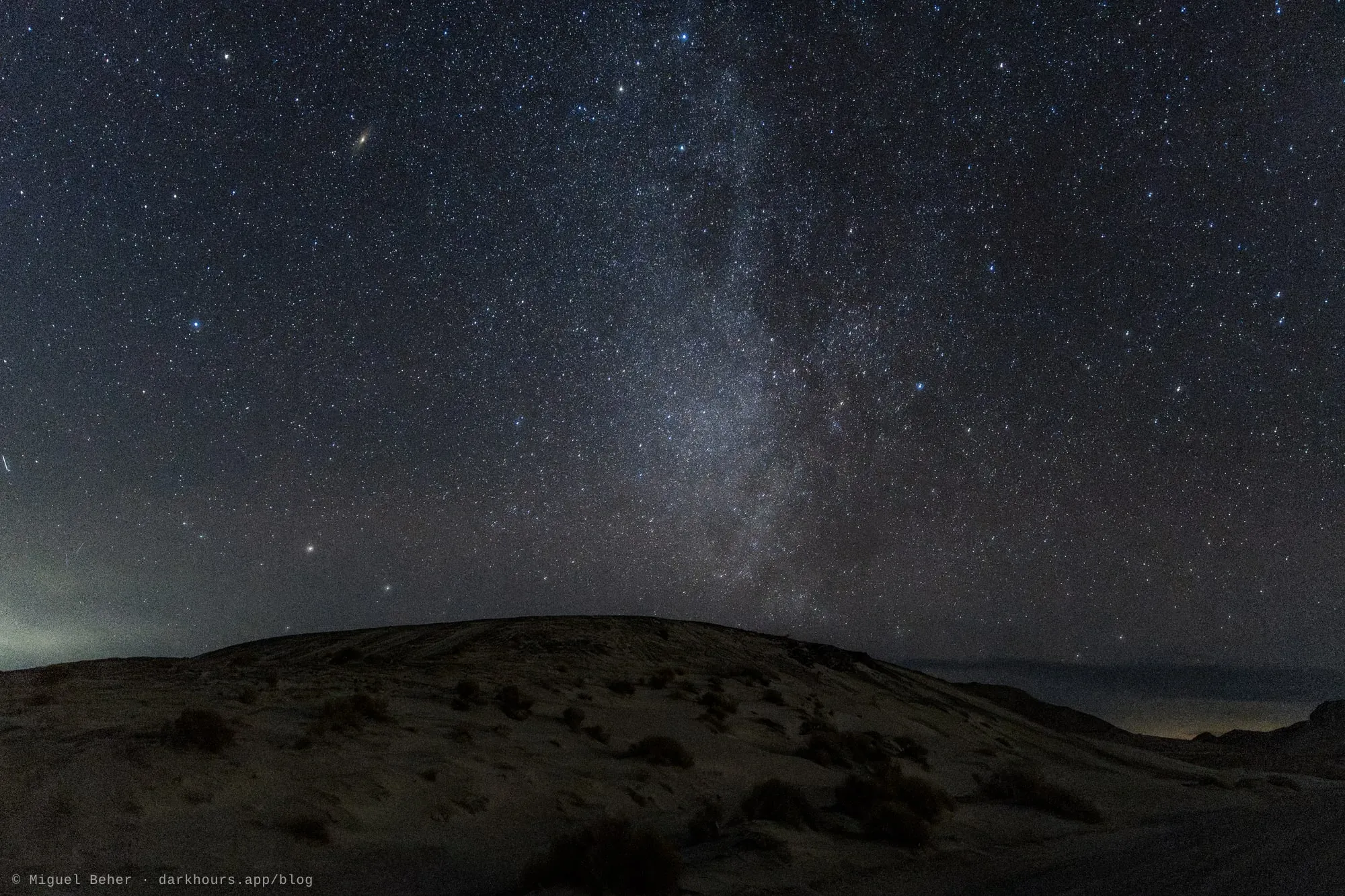
Light pollution maps rate The Knolls a Bortle 1. Salt Lake City’s light dome glows to the east and Wendover’s smaller one to the west, but they do not impede much. The open desert means wide-open skies, with plenty of dramatic landscape features for foregrounds. The vastness of The Knolls threw me off. The initial test shots I took with my Viltrox 15mm f1.7 lens felt too cropped in for a lens this wide. I assumed my camera had digital zoom or crop mode turned on. It took me a few minutes to realize that there was nothing wrong; the landscape was just too wide to capture fully.
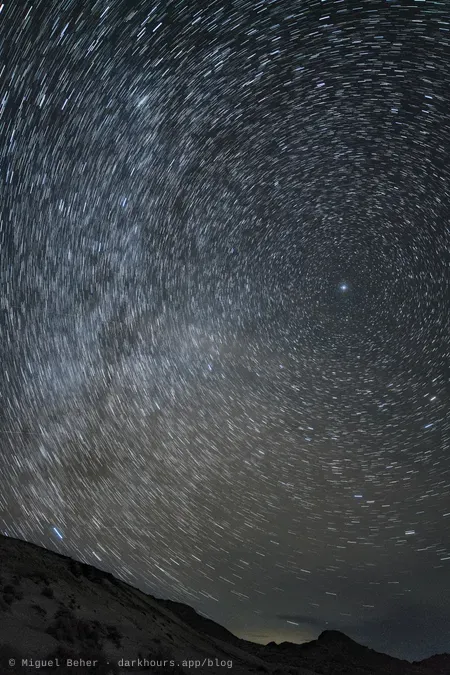
The Winter Milky Way
Even though it was too early in the year to see the Milky Way core, the winter Milky Way’s Perseus Arm, Orion, The Pleiades, and Andromeda were all on display.
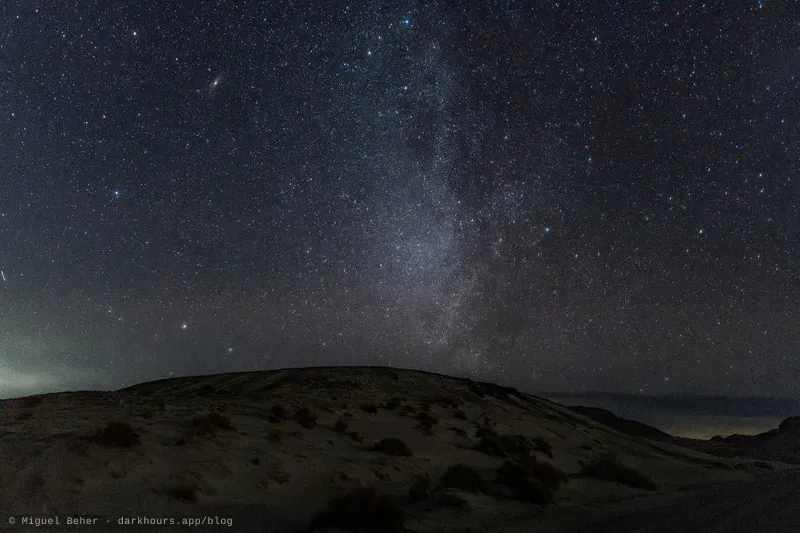
I spent a lot of the night with the camera off, just staring up, following faint satellites, and making out the winter constellations. Out in the middle of the desert, I wondered how many generations of people before me had sat and watched Orion cross the night sky.
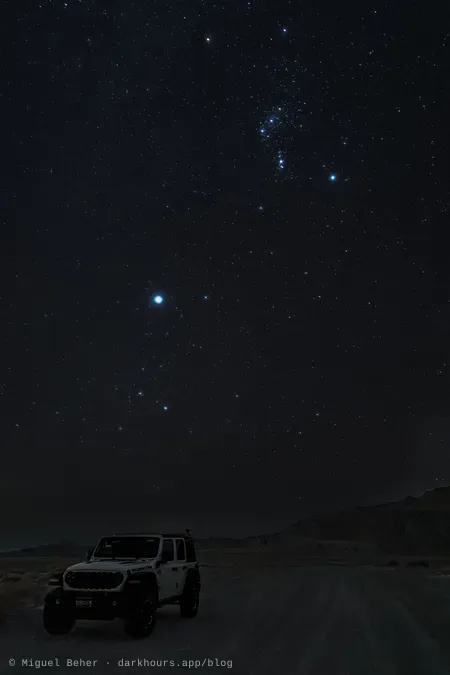
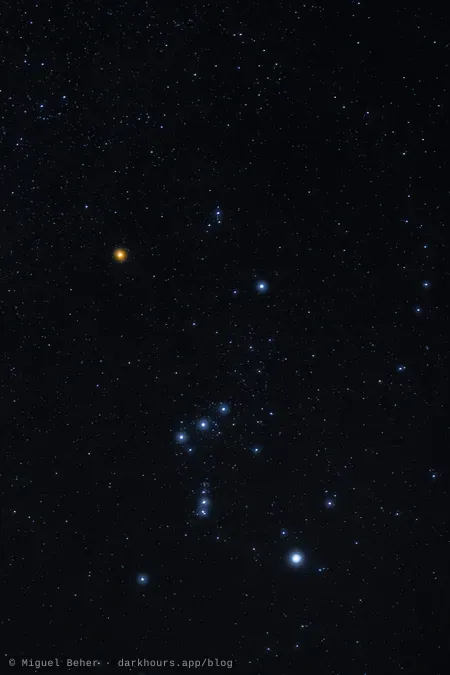
This was one of the most rewarding shoots I’ve done. I forgot my jacket, but spending a 30°F night in a sweater was worth it.